
DNN Development
Expert DNN Development - Custom Modules & Coding
Looking to elevate your web platform with tailored functionality? Our specialist DNN development team at Zalabria builds custom DNN modules, writes high-quality server-side and client-side code, and ensures seamless integration into your DotNetNuke instance. We have worked with DNN (formerly DotNetNuke) since 2012 — through the 6.x, 7.x, 8.x and 9.x releases — on live commercial sites, so you get developers who have already solved the problem you are facing.
01
02
Upgrades
03
Troubleshooting
Custom DNN Module Development
Unlock the full potential of your DNN website with our expert custom DNN module development services. At Zalabria, we build tailored modules that integrate cleanly into your DotNetNuke platform — delivering advanced functionality, maintainable code, and solid performance. Whether you need custom forms, dynamic content tools, third-party API integrations, or complex business logic, our DNN developers craft scalable, secure modules that align with your exact requirements.
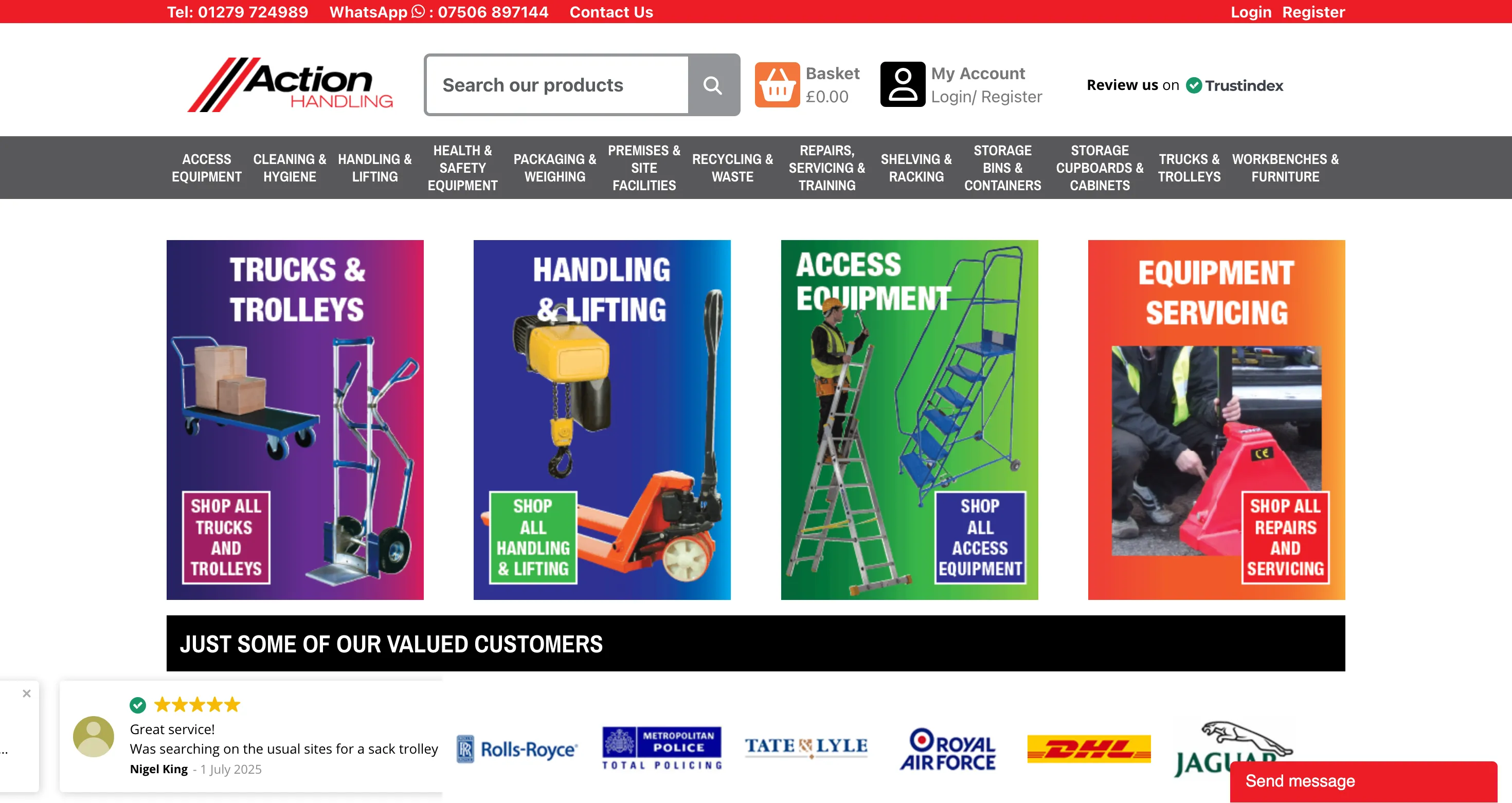
Our DNN module work is built with C#, ASP.NET and SQL Server, using the DNN APIs the platform expects — the module and persona bar frameworks, scheduled tasks, the search and caching providers, DAL 2 for data access, and the services framework for AJAX and Web API endpoints. We package modules as installable ZIPs with upgrade scripts so they deploy predictably and survive future DNN upgrades, and we can list finished modules on the DNN Store where that makes sense. For a real example, our Action Handling case study covers a 15,000-product DNN ecommerce build with a custom product importer and predictive search.
DNN (DotNetNuke) Upgrades
Keep your website secure, fast, and feature-rich with our professional DNN (DotNetNuke) upgrade services. At Zalabria, we upgrade DNN sites to a current, supported version — preserving your custom modules, skins, and content while improving performance, security, and compatibility.
We regularly handle upgrades from DNN 7.x and 8.x up to the latest 9.x release. Large version jumps are done in stages through the supported intermediate versions rather than in one risky step, and we test custom modules and skins at each stage. A typical upgrade path includes a full backup and a staging copy, resolving deprecated API calls and skin token changes, upgrading or replacing third-party modules that are no longer compatible, moving to a supported .NET Framework version and SQL Server edition, and a validation pass against the live content before go-live.
DNN Troubleshooting & Support
Our commitment to your success doesn't end when a project ships. We provide ongoing support and maintenance so your DNN applications stay up to date, secure, and running well. Common issues we resolve include slow page loads and database bottlenecks, broken scheduled tasks, SMTP and search index problems, errors after an upgrade, SSL/hosting migration issues, and event-log exceptions that have been building up unnoticed.
We also handle DNN security work: cleaning up compromised sites, removing injected content and back doors, patching to a secure version, rotating machine keys and credentials, and hardening the install and hosting so it doesn't happen again. If your site is currently down or compromised, get in touch and we will prioritise it.
DNN Skin & Theme Development
We build responsive, accessible DNN skins from a design or adapt an existing theme, keeping the token and container structure clean so content editors and future upgrades aren't fighting the markup.
Commercial DNN Modules
As a testament to our expertise, we also develop and maintain commercial DNN modules that are available for purchase. These modules enhance the functionality of your DNN site with ready-to-use solutions that save you time and effort.
Related services
Many DNN projects also touch a wider .NET stack. See our .NET and modern web development services for API, React and TypeScript work that sits alongside DNN, and ourmobile app development services where a DNN site needs a companion iOS or Android app.

DNN Development FAQs
01
How much does DNN / DotNetNuke development cost?
DNN development is quoted per project rather than at a fixed price, because cost depends on scope — a single custom module is very different from a full upgrade or a rebuild. A version upgrade with custom module and skin compatibility work is usually a multi-week engagement. We give a fixed quote after a short scoping call.
02
Is DotNetNuke still supported and actively maintained?
Yes. DNN Platform is open source and actively maintained on GitHub, with regular releases in the 9.x line, and the commercial edition (DNN / Evoq) is supported by DNN Corp. Sites on older 7.x and 8.x builds are past their security support, which is the main reason to upgrade.
03
DNN vs Umbraco vs other .NET CMS options — which should I choose?
DNN suits sites that need built-in membership, roles, workflow and a modular page-composition model out of the box, and it is the pragmatic choice when you already run DNN and have invested in custom modules. Umbraco is a lighter, developer-centric .NET CMS that gives you more control over templating but less built-in site management. If you already have a working DNN estate, upgrading and extending it is almost always lower risk and lower cost than migrating platforms.
04
How long does a DNN upgrade take?
A single-step upgrade within the same major version can be done in days. Upgrading across several major versions (for example 7.x to the latest 10.x) is a staged process — we upgrade through the supported intermediate versions, test custom modules and skins at each step, and resolve breaking changes. That work is typically one to four weeks depending on how much custom code is involved.
05
Can you fix a hacked or compromised DNN site?
Yes. We handle DNN incident response — identifying the entry point (often an out-of-date DNN version or a vulnerable third-party module), removing injected content and back doors, patching to a secure version, rotating credentials and machine keys, and hardening the install and hosting against re-entry. Where possible we also review logs to establish what was accessed.